Showing posts with label AIDS. Show all posts

Wednesday, November 09, 2011

Anno's Africa


ANNO'S AFRICA is a UK based charity that offers an alternative, arts education to orphans and vulnerable children in some of Africa’s most desperately deprived city slums. The children who have been participating( Cut) in our Kenyan programme live in the most appalling conditions, sleeping either on the streets or in corrugated iron shacks with no amenities, where often families of eight or more struggle to feed themselves on less than a dollar a day. Scavenging on rubbish tips in an effort to find something to sell so that they can cobble together enough for an evening meal is the way many of these children survive. They are prey to many illnesses: malaria, intestinal worms, pneumonia and other lung infections and of course the ever present threat of HIV / AIDS.

Anno's Africa:

'via Blog this'


Friday, July 15, 2011

Medicines Patent Pool and Gilead Ink Agreement Making HIV and Hepatitis B Treatment More Available in Developing Countries.

The Medicines Patent Pool Announces
First Licensing Agreement with a Pharmaceutical Company

London, 12 July 2011: Today the Medicines Patent Pool announces its first licenses with a pharmaceutical company, Gilead Sciences, to increase access to HIV and Hepatitis B treatment in developing countries.

pills_full_width_full_width

Photo from Medicines Patent Pool web site

* * *

The Medicines Patent Pool and UNITAID joint press release is available here [pdf], and also posted below.

Questions and answers on the Patent Pool licenses are available here [pdf].

Per the Medicines Patent Pool transparency policy [pdf], the full texts of the licenses are posted below.

The main licensing agreement between the Medicines Patent Pool and Gilead is available here [pdf].

The amended and restated form is available here [pdf].

The form sublicensee agreement is available here [pdf].

Medicines Patent Pool and Gilead Licence Agreement / Current Licences / LICENSING / Home - Medicines Patent Pool


Monday, May 23, 2011

FHI helps to spread the word of about HPTN Study 052- Initiation of Antiretroviral Treatment Protects Uninfected Sexual Partners from HIV Infection.


A very encouraging press release came out on May 11, 2011 from the HIV Prevention Trials Network (HPTN) and was followed up by this posting by the Family Health International (FHI).


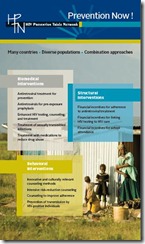
HPTN Booklet


Cover of HPTN publication


-------------------------------------------------------------------


Initiation of Antiretroviral Treatment Protects Uninfected Sexual Partners from HIV Infection (HPTN Study 052)


FHI Statement on HPTN 052


May 12, 2011


Men and women infected with HIV reduced the risk of transmitting the virus to their sexual partners by 96 percent through early initiation of oral antiretroviral therapy (ART), according to findings from a large-scale multinational clinical study conducted by the HIV Prevention Trials Network (HPTN).


The clinical trial, known as HPTN 052, was designed to evaluate whether early antiretroviral use by an HIV-infected individual would reduce transmission of HIV to an HIV-uninfected partner and potentially benefit the HIV-infected individual as well. The trial is the first randomized clinical trial to show that treating an HIV-infected individual with ART can reduce the risk of sexual transmission of HIV to an uninfected partner.


HPTN is a global partnership dedicated to reducing the transmission of HIV through cutting-edge biomedical, behavioral, and structural interventions, largely funded by National Institute for Allergy and Infectious Diseases with additional funding from National Institute on Drug Abuse and National Institute for Mental Health, at the US National Institutes of Health. FHI serves as the coordinating and operations center for HPTN. As the operations center, FHI is responsible for the scientific management of HPTN and facilitates and participates in HPTN leadership, scientific working groups, protocol teams, and the community engagement program.


"FHI is proud of our role as the Operations Center for HPTN in facilitating the HPTN 052 study," said Dr. Ward Cates, President, Research at FHI and member of the leadership of HPTN. "Treating infected individuals prevents transmission to their uninfected partner and benefits the individual. Armed with these findings, FHI can continue to contribute to the informed care and treatment and prevention of HIV through our global programs and intramural research."


HPTN 052 began in April 2005 and enrolled 1,763 HIV-serodiscordant couples at 13 sites across Africa, Asia and the Americas, the vast majority of which (97 percent) were heterosexual. An HIV-serodiscordant couple has one member who is HIV-infected and the other who is HIV-uninfected. In the study, the HIV-infected partner was required to have a CD4+ cell count (T cells) between 350-550 cells/mm3 at enrollment, and therefore did not require HIV treatment for his or her own health.


The investigators randomly assigned the couples to one of two study groups. In one group, the HIV infected partner immediately began taking a combination of three antiretroviral drugs upon study enrollment. In the other group, the HIV-infected partners began ART when their CD4 counts fell below 250 cells per cubic millimeter (cells/mm³) or an AIDS-related event occurred.


Throughout the study, both groups received HIV-related care that included counseling on safe sex practices, free condoms, treatment for sexually transmitted infections, regular HIV testing, and frequent evaluation and treatment for any complications related to HIV infection. Each group received the same amount of care and counseling. In addition, individuals who become HIV-infected during the course of the study are referred to local services for appropriate medical care and treatment.


The trial was slated to end in 2015; however, the independent Data and Safety Monitoring Board (DSMB) recommended that the results be released as soon as possible. The DSMB concluded that it was clear that early initiation of ART by HIV-infected individuals with relatively healthy immune systems substantially protects partners from infection, with a 96 percent reduction in HIV transmission.


Study participants are being informed of the results. The study investigators will continue following the study participants for at least one year.


"This is excellent news," said Dr. Myron Cohen, HPTN 052 Principal Investigator and Associate Vice Chancellor for Global Health and Director of the Institute of Global Health and Infectious Diseases at the University of North Carolina at Chapel Hill. "The study was designed to evaluate the benefit to the sexual partner as well as the benefit to the HIV-infected person. This is the first large randomized clinical trial to definitively indicate that an HIV-infected individual can reduce sexual transmission of HIV to an uninfected partner by beginning antiretroviral therapy sooner. HPTN recognizes the significant contribution that this study's participants have made to furthering the progress in HIV treatment and prevention. We are very grateful for their participation."


About HIV Prevention Trials Network


The HIV Prevention Trials Network (HPTN) is a partnership between scientists and communities around the world to develop, evaluate, and implement cutting-edge biomedical, behavioral, and structural interventions to reduce the transmission of HIV. HPTN uses randomized controlled clinical trials, designed and conducted according to the highest scientific and ethical standards, to identify the best combinations of interventions for the populations at highest risk of HIV infection worldwide. HPTN is largely funded by NIAID with additional funding from NIDA and NIMH, at the NIH.


About FHI


FHI is a global health and development organization whose science-based programs bring lasting change to the world's most vulnerable people. Since 1971, FHI has worked with 1,400 partners in 125 countries, forging strong relationships with governments, diverse organizations, the private sector and communities. By applying science to healthcare programs and clinical research, FHI is helping countries make measurable progress against disease, poverty, and inequity—improving lives for millions.


###


For more information, view the HPTN press release (May 11, 2011) or visit www.hptn.org
Media inquiries:


Matt Matassa


703.647.1909;


mmatassa@fhi.org


FHI - Initiation of Antiretroviral Treatment Protects Uninfected Sexual Partners from HIV Infection (HPTN Study 052)


Sunday, December 19, 2010

ANOTHER STORY OF VISION

Photo from SIC website


Dr. Matthew Craven had a vision. He earned his B.A. in Economics from Stanford University in 2001. That year he also got his first exposure to global health during a month he spent teaching HIV prevention seminars in Tanzania. While in Tanzania he witnessed the ineffectiveness of the existing healthcare delivery systems, especially to rural communities. He returned to Tanzania the following year and co-found Support for International Change (SIC), a non-profit organization working with the government to limit the impact of HIV in underserved communities through expanded access to education, testing, and treatment.

Dr. Craven also started SIC’s global health leadership training programs, which aims to develop a new generation of leaders for the field. He served as Executive Director of SIC for the next five years, first based in Tanzania and then in the U.S.

In 2008 Dr. Craven earned his M.D. from the Stanford University School of Medicine.


SUPPORT FOR INTERNATIONAL CHANGE

Their Mission
To limit the impact of HIV/AIDS in underserved communities and to train future leaders in global health and development.


Their Vision
SIC believes that the HIV/AIDS crisis creates both an imperative to act and an opportunity to learn. We envision a world where HIV/AIDS no longer limits length or quality of life or reduces the social or economic development of communities, and where young people learn the skills to address the health crises of future generations.


Their Approach
SIC was founded in August 2002 with the dual goals of limiting the impact of HIV/AIDS in Tanzania and training future leaders for global health and development. In the rural communities where we work, poor infrastructure and widespread poverty limit access to HIV testing and prevention services, and leave people living with HIV socially and physically isolated from care. Public clinics provide VCT and antiretroviral medications in urban centers, but lack of information, stigma and the costs of transportation all represent barriers to access and leave these services beyond the reach of Tanzania’s rural majority. As a result, HIV transmission continues, few people are tested in the villages and many of those living with AIDS die without accessing treatment.

In response to this crisis, SIC currently works in rural villages in northern Tanzania, offering a comprehensive set of community based services to combat HIV/AIDS. SIC supports a Community Health Worker (CHW) Program, a Peer Educators (PE) Program in secondary schools, community-based health awareness campaigns, and mobile Voluntary Counseling and Testing (VCT). With a few pilot programs, in conjunction with the district hospitals, we support mobile ARV clinics.

In addition to these community level interventions, SIC offers structured service-learning programs for international and Tanzanian volunteers. During our eight and twelve week programs, volunteers add capacity to our work, primarily by serving as teachers in our awareness campaigns. Hundreds of student volunteers have passed through our programs since 2003. Many have gone on to graduate or professional training in related fields, to found other organizations, or to other leadership positions in global health and development.


Wednesday, July 01, 2009

FEMNET - Advancing The Quality Of Life For Women

[This information was taken from the FEMNET web site.]

The African Women's Development and Communication Network (FEMNET) was set up in 1988 to share experiences, information and strategies among African women's non-governmental organisations (NGOs) through advocacy, training and communications so as to advance African women's development, equality and other human rights.

FEMNET aims to strengthen the role and contribution of African NGOs focusing on women's development, equality and other human rights. It also aims to provide a channel through which these NGOs can reach one another and share experiences, information and strategies to as to improve their work on African women's development, equality and other human rights.

FEMNET is governed by a Constitution and the following governance and administrative structure:

- National focal points in African countries whose representatives
attend a tri-annual Programming Conference and General Assembly;

- An elected Executive Board which includes two Board members per
sub-region and a Chairperson. In addition, there are two Ex-Officio Board
members (immediate past Chairperson and the Executive Director);

- An elected Board of Trustees to oversee FEMNET's assets; and

- A Secretariat that implements FEMNET's programmes and is headed
by an Executive Director.


FEMNET's specific objectives include:

- exchanging experiences in planning, implementing and evaluating women's programmes and projects through interaction with NGOs, development agencies and relevant regional and international intergovernmental bodies;
- promoting women's activities in Africa through the strengthening of existing organisations and the establishment of new ones as may be needed;
- playing vanguard and catalytic roles in the treatment of feminist issues which cannot be handled by government gender mechanisms due to the threat that such issues pose to patriarchal states;
- promoting the better utilisation of African women's NGOs by development agencies and regional and international intergovernmental organisations (IGOs) such as the African Union (AU) and the various United Nations (UN) agencies;
- mobilising resources for African women's development, equality and other women's human rights by local, regional and international sources; and enabling collective action by African women's movements in order to tackle regional gender issues.

Since its inception in 1988, FEMNET has played a leadership role for African women's NGOs at regional and international decision-making and policy fora. FEMNET has gained recognition as the convenor of African women’s movement in key circles, including the United Nations agencies, African Union, NEPAD processes and among women’s regional NGOs. This recognition has resulted from persistent pursuit of its networking mandate and the quality leadership FEMNET has offered over the years.

Programme context:

FEMNET’s major goal is to ensure that African women’s organisations, lobby groups, decision-makers, like-minded organisations are able to gain conceptual clarity of key concepts and issues relating to the empowerment of women and gender equality. Further, that given this knowledge, they will be in a position, to act towards creating an environment of gender equality and social justice and to bring an end to all forms of discrimination against women.

FEMNET works in three main programme areas:
The Advocacy Programme
The Communications Programme
The Capacity Building Programme


The Advocacy Programme includes projects designed to evolve approaches and methodologies for dealing with barriers to the implementation of the Dakar and Beijing Platforms for Action (PFAs). FEMNET was the focal organisation for African women's preparations for participation in the 1995 Beijing Fourth World Conference on Women. FEMNET continues to collaborate with African women's non governmental organisations (NGOs) on follow-up activities to the Beijing NGO Forum, the parallel intergovernmental conference and the Beijing Plus Five review process. The programme has also been involved in mainstreaming gender into regional processes and institutions, most notably engaging with the African Union and its specialized mechanisms. The advocacy programme has also been involved in promoting the economic, social and cultural rights of African women.

The Communications Programme is the core programme of the Network. It is a vital avenue through which FEMNET generates data and information, facilitates the exchange and sharing of this information on women's human rights issues at international, regional and national levels to its various constituencies across Africa and globally. The programme seeks to optimumly use ICTs to provide African women with qualitative strategic information on women's development, equality and human rights and to build the capacity of African women's organizations to produce content for advocacy.

The Capacity-building Programme plays an important role in empowering and building networking expertise, skills and the capacities of its members through training in critical areas such as women’s human rights, gender analysis and mainstreaming, leadership, advocacy, ICTs etc. In 2002, FEMNET developed a model for training of trainers in gender mainstreaming which is applicable to the 12 priority areas outlined in the African and Beijing Platforms for Action. The model has been tested at the national level in a number of African states and has been developed to explicitly address sectoral concerns. For example, several subject-based manuals and resource books for gender mainstreaming have been developed in areas such as gender equality, macroeconomics, and sexual reproductive health. These have proved to be useful information materials and tools for advocacy and training.


Following the development of its Strategic Plan for the period 2008-2012, the following Vision, Mission and Core Values will guide FEMNET.


Vision

African women's collective leadership for equality, peace and sustainable development.


Mission

FEMNET seeks to facilitate and coordinate the sharing of experiences, ideas, information, and strategies for human rights promotion among African women's organisations through networking, communication, capacity-building and advocacy at the regional and international levels.


FEMNET's Core Values

Commitment and passion for women's advancement;
Integrity, credibility, transparency and accountability;
Unity in diversity, solidarity, inclusiveness, respect and tolerance;
Professionalism, effectiveness, creativity and responsibility;
Justice, equality and democracy.


As a pan-African, membership-based network, FEMNET has continued to play a leading role in building the women’s movement in Africa and ensuring that African women's voices influence decisions made at different levels that impact on their lives. FEMNET links up and implements various activities in collaboration with sub-regional networks and national focal points (NFPs).

Beginning August 2008, FEMNET embarked on a project that seeks to review and strengthen its members communication and networking linkages at country and sub-regional levels. The purpose is to ensure more involvement of the member organisations in FEMNET's programs, mobilize new member organisations and update its database of women organisations in the region, strengthen the connection with women operating at the grassroots level and minimize the difficulties in obtaining continuous feedback from its constituency at different levels. To make this happen, FEMNET idenitified national women's networks and umbrella organizations in five countries: Cameroon, Cote d'Ivoire, Tunisia, Uganda and Zambia to be the lead in establishing the country level NFPs. Most of the NFPs identified are expected to sign Memorandum of Understanding (MOUs) with FEMNET, specifying and agreeing on ways to collaborate in their various programme activities.

Visit FEMNET's Web Site to learn More.


Monday, June 08, 2009

LUKMEF - HONORING A GREAT LEGACY

The following information was taken from the LUKMEF web site which has several additional pages with more information about the organization
------------------------------------------------------


LUKMEF-Cameroon (Martin Luther King Jr. Memorial Foundation -Cameroon) is an NGO legalized in Cameroon since 1999. LUKMEF’s mission is to promote peace, nonviolence, social justice and sustainable development in Cameroon.

Management
The organization is managed through an independent Board of Directors (from Australia, Holland, Germany, USA and Cameroon) that meets once every year (November). The day-to-day activities of the organization are run by an administrative team headed by a Chief Executive Officer (CEO) assisted by three Directors of Programs (DP-Peace/Nonviolence, DP-Social Justice, and DP-Sustainable Development). Each project is headed by a project director drawn from the staff.

Staff
The organization works with 7 permanent staff, part-time and volunteers (nationals and expatriates). Additional project staff are recruited on contract basis during the life cycle of each project.

Track Records
Since 1999 the organization has supported 3729 youth in job training in varying domains. And up to 61.3% of trained youth gain jobs or start small businesses after the trainings. The organization has also carried out a wide range of other peace and development programs such as: the inter ethnic dialogue programs, organizational networking and capacity building, Micro-Grants for Income generating activities for rural women, the first women’s conference on HIV/AIDS, the HIV/AIDS Rights Watch Group to provide pro-bono legal assistance to HIV infected persons, The Resource Centre, Base-line studies, project monitoring and Evaluation including the Abuja 15%, NACC, UNGASS DOC etc. For networking and resource sharing, the organization partners with many local organizations and has organized a wide range of capacity building programs (project writing, project management, Reporting, Human Resource Management, community project design methodology, etc). The organization has supported a number of rural projects such as; bridges, community centers, and environmental conservation. It has also taken part in many regional and international conferences including UN review meetings. The organization is a member of many national and international networks and activists groups in its domains of operation. We provide consultancy services to other agencies and NGOs in Cameroon. Though the organization’s activities touch the general population, we put a lot of attention to problems faced by women and the girl child.

Working Languages
The working languages of the organization are English and French.

Partners
These programs and projects are being realized thanks to the financial and technical support of national and international organizations such as Action Aid-International, CARE-International, UNAIDS, US Embassy, British Council, Limbe City Councils, SONARA, Apara Family Fund, Global Action to Prevent War, Rotary Club of CT, Peace Centre (Columbus university USA), Peace through Dialogue Inc.

How LUKMEF Expenses are Allocated
Administrative Costs = 9.5%
Program Activities = 90.5%

Contact Addresses
P.O. Box 1348, Limbe
SW Province
Cameroon
Tel: +237-33.33.28.60
E-mail: info@lukmefcameroon.org Contact Person

Tanyi Christian E.
President / CEO
LUKMEF-Cameroon
Tel: +237-77.94.74.49
E-mail: christian@lukmefcameroon.org

LUKMEF

Monday, May 18, 2009

Small Enterprise Education and Promotion (SEEP)

Begun in 1985, SEEP was founded with the belief that "sharing practical experiences within a trusting environment would result in improved microenterprise development practices."

Operating in over 180 countries today, SEEP reaches more than 23 million micro-entrepreneurs and their families.

While SEEP has many initiatives, time will only permit a brief examination of one program below. After a brief paragraph on How SEEP Works there is an examination of an outline for a program in Africa that reveals an excellent planning strategy to acheive sought after outcomes.

The information below is taken from the SEEP website.
-----------------------------------------------

Practitioner-led Learning and Impact

The primary way SEEP undertakes practitioner-driven research, learning, and product development is through member-driven learning initiatives. Working groups, task forces, initiatives as well as the grant-funded practitioner learning programs (PLP) comprise a comprehensive learning agenda within three communities of practice: Finance, Enterprise Development, and Associations & Networks. To learn more about these communities of practice, visit our SEEP Initiatives.

Microenterprise development practitioners from SEEP member organizations have contributed to action research and best practices in a range of areas, including financial services, social performance, consumer protection, and market development. They have developed tools and resources such as standardized financial statements and reporting, market research tools, poverty assessment tools, and HIV & AIDS and microenterprise development integrated programming guidelines.

SEEP learning initiatives generate practitioner-oriented products, tools, and training materials. SEEP publications are widely recognized for being prepared by practitioners, field tested for accuracy, and accepted as the industry standard. SEEP’s manual and training course on standardized financial statements for microfinance institutions (FRAME: A Framework for Reporting, Analysis, Monitoring, and Evaluation) is one of the best examples of the quality, usefulness, longevity, and influence of our practitioner-oriented products. SEEP’s lateral learning approach is key to translating knowledge into practice and yielding such products.

SEEP’s global membership results in a broad international community of practice. Our strategic relationships with partners in the NGO, philanthropic, and socially responsible corporate community further support and strengthen member impact.

SEEP Learning Initiatives

The SEEP Network supports a range of member-led initiatives, including several thematic working groups and Practitioner Learning Programs (PLPs). To see a current list of active working groups and PLPs, visit our SEEP Initiatives page.

-----------------------------------

PLP in Building Alliances to Serve HIV/AIDS Impacted Communities in Sub-Saharan Africa (BASICS)

Purpose: to identify and promote successful strategies for microfinance and enterprise development programs to partner with local community-based organizations to better serve clients affected by HIV/AIDs.

Membership: Public

Contact: Laura Meissner (Meissner@seepnetwork.org)

Timeframe: February 2008 - February 2009

This initiative assemble(d) the following participants:

· CHF International (CHF) in Rwanda, an implementer of the USAID/PEPFAR-funded Community HIV/AIDS Mobilization Program (CHAMP), and African Evangelistic Enterprise, one of CHF’s local partners, which is building its capacity to better deliver services to HIV/AIDS-affected persons.

· Emerging Markets Group, which implements USAID’s OVC-COPE Project in Uganda, Tanzania, Mozambique and Rwanda. Its local partners for this PLP are CBOs in Uganda that serve the income generation needs of caregivers of orphans and vulnerable children (OVC). EMG works with caregiver associations to promote access to higher-value markets.

· Catholic Relief Services (CRS) in Rwanda, the lead for AIDSRelief, a consortium funded through PEPFAR that supports nine countries in delivering HIV care and treatment to poor and underserved populations. CRS implements programs with its local partner, Caritas.

· Fantsuam Foundation, a holistic NGO in Nigeria offering microfinance and other services to HIV/AIDS-affected clients, and its local partners, including Hope for the Blind, volunteer groups and community development councils.

· Mercy Corps (Ethiopia) and its local partner, WISE (Organization for Women in Self-Employment), an Ethiopian NGO that facilitates and provides capacity building to savings and credit cooperatives, as well as training to women.

· Sinapi Aba Trust, an MFI in Ghana and part of the Opportunity International Network, is building a partnership with Planned Parenthood Association of Ghana to provide HIV/AIDS awareness and prevention education to Sinapi Aba’s microfinance clients.

These organizations will seek to identify, document and disseminate the most effective models for developing strategic alliances between MF/ED programs and CBOs and for improving the impact of MF/ED programs in such alliances.

From March 2008 to February 2009, participating organizations will return to the field for collaborative action research. All participants will begin to document their learning in one of two ways:

1) Alliance Strengthening: the participants have identified areas in which they want to work with their partners to strengthen the alliance; and

2) Learning Products: the participants are working in teams (not necessarily with their alliance partners) and focusing on about 5 issues around strategic partnering and will produce various learning products on the selected areas. Final products (case studies, tools, etc.) will be available early in 2009.

In order to achieve its goals and its desired impact, the PLP will address the following kinds of questions:

1. What programs and services are appropriate to offer through a strategic alliance, and which are most appropriate for HIV/AIDS affected clients? Why do successful models work? Who benefits from the activities, products and/or services? What makes these programs sustainable? Are there successful programs that can be documented?

2. Are strategic alliances indeed a successful model for reaching HIV/AIDS-affected clients?

3. Given their complementary strengths and weaknesses, how can community-based organizations (CBOs) and microfinance/enterprise development (MF/ED) programs and organizations work collaboratively to expand outreach and increase impact?

4. How can institutions form appropriate private/public partnerships (e.g. ED programs fostering market integration) and public/public partnerships (e.g. between a range of CBOs, NGOs, and government agencies) to deliver integrated programs that address people’s needs through both community-level and large-scale ventures?

5. How can the development community support CBOs in their holistic approaches to dealing with the pandemic? For example, support might include cross-training between MF/ED programs and CBOs, networking between community-based groups to share strategies and generate joint projects, capacity building of community implementers, or financial support for grassroots initiatives.

6. What constitutes appropriate capacity building for MF/ED development practitioners and agencies involved in larger-scale economic development initiatives? Is there training and support that would enable them to improve their reach to affected individuals and households, to effectively collaborate with CBOs, and to advance the integration of youth and the elderly into programs?

7. What enables successful strategic alliances to work? That is, how do MF/ED organizations and CBOs overcome differences in their structures, operations, values, and cultures to work well together? What motivates them to work together? What are the main “dos and don’ts” for these alliances?

SEEP

Friday, May 08, 2009

MCDI - Making a Difference in Health Care

THIS INFORMATION WAS TAKEN FROM THE MCDI WEBSITE

MCDI is a division of Medical Care Development Inc, Augusta, Maine. As an international NGO, MCDI has been accorded consultative status (Roster) with the Economic and Social Council of the United Nations. MCDI is a founding member of the CORE Group of PVO's.

==========================================

The mission of MCDI is stated as follows:


"The mission of MCDI is to enhance the well-being of peoples and communities in developing nations through superior technical assistance in health and socio-economic development. We will seek to empower families with the knowledge and behavior needed to improve infant and child survival and maternal health and care.

"We develop and disseminate tools, mechanisms and strategies that improve access and management of sustainable levels of health care services. We work with a full spectrum of organizations, from grassroots community groups to multi-lateral donor institutions, to enable continuing and progressive improvement in the quantity and quality of care available and affordable to the neediest people on earth, and seek to enhance their financial ability to benefit from these improvements."

==========================================

MCDI operates in the following African nations:


Angola
Benin
Burkina Faso
Cape Verde
Central Africa Republic
Chad, Comoros
Djibouti
Equatorial Guinea
The Gambia
Ghana
Guinea Bissau
Lesotho
Madagascar
Mali
Mozambique
Nigeria
Senegal
Sierra Leone
Somalia
South Africa
Sudan
Swaziland
Tanzania
Togo
Tunisia
Uganda and
Zanzibar

==========================================


MCDI has a wide range of interests and functions and they are listed below:

-------------------------------------

Child Survival

- Immunization
- Combating diarrheal diseases
- Acute respiratory infection
- Integrated management of childhood illnesses
- HIV/AIDS prevention and treatment
- Maternal and newborn care
- Pneumonia case management
- Malaria
- BCC interventions
- M & E


-------------------------------------
HIV/AIDS

- HIV prevention care and treatment
- Prevention of mother to child transmission
- Promotion of anti-retroviral therapy
- Stigma reduction
- Home-based care
- HIV/AIDS/TB
- co-infection
- BCC/IEC
- School-based peer-to-peer education / outreach


-------------------------------------
Malaria Treatment & Control

- Reduction in malaria transmission through indoor residual spraying
- Intermittent presumptive treatment of pregnant women
- Proper case management of uncomplicated malaria using ACT
- Insecticide and drug resistance monitoring
- Improved diagnostic capacity
- BCC/IEC to promote compliance and bed net utilization
- M & E


-------------------------------------
Architecture & Engineering

- Health facility surveys
- Preparation of design and tender documents for facility construction/ renovation
- Equipment specifications
- Construction management
- Equipment and plant maintenance training


-------------------------------------
Orthopedic & Rehabilitation Services

- Provide disabled war victims with prosthetic and orthotic appliances
- Provide physical therapy services
- Support the social and economic reintegration of the disabled in Sudan
- M & E


-------------------------------------
Health Sector Reform

- Design of health manpower rationalization / development strategies
- Health facility demand and location modeling
- Implementation of decentralization strategies


-------------------------------------
Water Supply & Sanitation

- Construction of water supply and sanitation infrastruction, e.g., wells and latrines to reduce morbidity and mortality among children and women of reproductive age
- Improve knowledge and promote behavioral change regarding basic sanitation and disease prevention among school children and communitie
- Introduce home-based management of water quality


-------------------------------------
Health Care Financing

- Evaluation and reform of national health care financing strategies
- Health sector expenditure reviews and national accounts
- Health system and program cost assessments
- Evaluation, design, and implementation of community financing, including risk-sharing and credit schemes
- Demand for care and pricing analyses


==========================================

These folks are doing a lot of good work, so if you get the chance, please drop by and take a look at the
MCDI website .

Tuesday, December 04, 2007

NOUS SOMMES LES TAM-TAMS

On December 3, 2007 AfricaFiles circulated an article that Africa News had published on November 30, 2007. The article is about the wide distribution of the music album "Nous sommes les Tam-tams (We are the Drums)" [which is also the name of the lead song.

According to Africa News:


"Thirty-seven musicians from across Africa have partnered with the UN to produce an 11-title musical album to sensitise Africans on HIV/AIDS, poverty, gender inequalities, illiteracy and conflicts. According to a statement from the UNDP office in Bamako, Mali, Thursday, the tracks sung in 18 African languages carry very clear messages on the issues. Five of the songs were on the prevention against the HIV infection, the need to break the silence on AIDS, to fight stigmatisation and discrimination around it as well as to promote human rights. The leading song "Nous sommes les Tam-tams (We are the Drums)" calls on individuals and institutions to get involved in efforts to ensure an "AIDS-free generation" by 2015 and to fight against poverty and hunger. Other songs advocate education for all girls, equal rights and opportunities for women.

"The album, as well as a video clip of the top song, has been freely distributed to radio and TV stations in 52 countries in Africa. The album was jointly produced by the UNDP, the United Nations Office of Sports for Development and Peace (UNOSDP), the UN Joint Programme on HIV/AIDS (UNAIDS), the United Nations' Population Fund (UNFPA) and the Millennium Campaign. The album was produced by Africa Fête, a Dakar-based Pan-African label led by Mamadou Konté, who died shortly before the completion of the project.

"Both the Olympus Company and the International Association of Athletics Federations provided the financial support for the initiative, launched in 2003- 2004 following meetings in Dakar, Senegal, on the relevance of the Millennium Development Goals (MDGs) in Africa. Seventeen singers, including legendary saxophonist Manu Dibango, recorded the song "Nous sommes les Tam-tams (We are the Drums)". It was arranged by Boncana Maïga. The singers include Achien'g Abura (Kenya), Mahmoud Ahmed (Ethiopia), Didier Awa di (Senegal), Chiwoniso (Zimbabwe), Manu Dibango (Cameroon), Jaojoby Eusebe (Madagascar), Coumba Gawlo Seck (Senegal), Salif Keïta (Mali ) and Angélique Kidjo (Benin). Others are Habib Koité (Mali), Ismaë Lô (Senegal), Baaba Maal (Senegal), Malouma (Mauritania), Cheb Mami (Algeria), Meiway (Côte d'Ivoire), Yves Ndjock (Cameroon), Youssou N'Dour (Senegal), Koffi Olomidé (DRC) and Saintrick (Congo)."

----------------------------
In 2004, UNDP issued the following Press Release concerning the then upcoming album:

"Monrovia, 18 October 2004—Eighteen top musicians from all over Africa have combined forces in response to the appeal launched by the United NationsDevelopment Programme (UNDP) to compose and perform a song aimed at involving every member of society in the fight against poverty and HIV/AIDS. Thesong, launched simultaneously in African countries on 18 October and entitled " Weare the drums", is part of the "Africa 2015" initiative, the aim of which is to accelerate attainment of the "Millennium Development Goals" (MDGs).

“Under the leadership of Boncana Maiga (Mali), the singers Achien’g Abura (Kenya), Mahmoud Ahmed (Ethiopia), Didier Awadi (Senegal), Chiwoniso (Zimbabwe), Jaojoby Eusebe (Madagascar), Coumba Gawlo Seck (Senegal), Salif Keita (Mali), AngéliqueKidjo (Benin), Habib Koité (Mali), Ismaël Lô (Senegal), Baaba Maal (Senegal), ChebMami (Algeria), Malouma (Mauritania), Meiway (Ivory Coast), Koffi Olomidé (Democratic Republic of Congo), Saintrick (Congo) and Youssou N’Dour (Senegal) recorded the song in Dakar and Paris with Manu Dibango (Cameroon) on saxophone and Yves Ndjock (Cameroon) on guitar. The original music was composed by Manu Dibango and Yves Ndjock, and arranged by Boncana Maiga and Manu Dibango. Work on the project was coordinated by Africa Fête, a label of musical production, under the guidance of Mamadou Konté.

“The lyrics, sung by Youssou N’Dour, invite people to stop being "victims of poverty, victims of hunger", and to take individual responsibility to halt the spread of HIV/AIDS so that the 2015 generation will not be affected by the disease. The artists calls on each person in Africa to "act as a tam-tam drum", passing the message on to those who have not yet heard it. The song marks a new stage in the commitment of artists and other celebrities involved in the "Africa 2015" initiative launched by UNDP in conjunctionwith the various United Nations agencies.

The MDGs were adopted in 2000 by all the governments at the UN; they cover eight major commitments to be achieved by 2015, including halving poverty in the world, halting the spread of HIV/AIDS, and ensuring that all children have access to full primary education.

"‘Unless a special effort is made, Africa will not be able to attain the Goals before 2145, whereas the rest of the international community is talking about 2015. The presence of these artists…shows that this is not inevitable as far as Africa is concerned, and that there is a commitment to turning the situation around. A commitment at the level of each man and woman in Africa, and a commitment on the part of the international community’, said Djibril Diallo, Director of UNDP's Communications Office.

"’For once we're doing something together, to make our work as artists much more noble," explained Baaba Maal, a Senegalese singer and UNDP Youth Emissary. "We decided that after the song, over the next thirteen years, we want to make use of every possibility available to us to pass on these messages.: record the songs together first, then, if necessary, go to primary schools, secondary schools and barracks, to meet young people, parents, the authorities …’

“The song is the first step in the involvement of these African artists in the Africa 2015 initiative; it is to be followed by an album that will include, in addition to a rap version of the "We are the drums" in both English and French, about a dozen individual songs in conjunction with other major artists involved in the project. The titles will be inspired by the MDGs themselves. "This album will include both experienced performers and new talent", said Mamadou Konté, the director of Africa Fête.

“Nowhere else in the world is attainment of the Goals so important and so urgent as it is in Africa. Life expectancy, per capita income and the level of education have plummeted in many African countries, and a number of fatal diseases are far from being under control. Every other person in the sub-Sahara region of Africa lives on less than one US dollar a day. Of the 40 million carriers of the HIV/AIDS virus in the world, about 30 million are African. Currently, communities in Africa are barely able to cope with the 11 millionchildren orphaned by HIV/AIDS – by 2015, the number will have risen to 40 million.

“The "Africa 2015" initiative, launched by UNDP two years ago, focuses firstly on poverty and HIV/AIDS. It is a wide-ranging, pan-African movement that seeks to mobilise the energy that exists in Africa to intensify the efforts being made and to give rise to new initiatives. In addition to support from singers, it has also received backingfrom Africa's sportsmen and -women.’

“‘Through a net work of news organizations and Blogs, hopefully, the wider African community [on the Continent and in the Diaspora] will be made aware of "Nous sommes les Tam-tams (We are the Drums)’"

Now that you know that the album is out there, ask your radio and television stations to air it for the public to see and hear.

Information for this Blog post was found at the following locations.


AfricaFiles

Africa News

U.N. Press Release in 2004

Monday, June 18, 2007

BONO IS STILL THE "ONE"

I doubt if I need to tell any of my readers who Bono is. In fact, I don't think I even need to use his last name.

The great force in the fight against poverty and AIDS in the developing world has a lot going on this month. But I would like to draw attention to one of the things that he is doing, (and that will help to bring to light some of the other things that he is doing).

Bono has edited this month's (July - 207) edition of Vanity Fair Magazine. You may wonder why in the world is he doing that, and I think that it is best for him to explain what he is doing in his own words - that appear in the July 2007 edition of Vanity Fair.


Message 2U
From Bono
Vanity Fair Guest Editor
July 2007


Let me explain what I'm doing here, and there. By "there," I don't mean my day job as singer with Irish postpunk combo U2.

By "there," I mean DATA--the organization which campaigns on debt, aids, and trade in Africa.

By "there," I mean the ONE Campaign--which is becoming like the National Rifle Association in its firepower, but acts in the interests of the world's poor.

By "there," I mean (PRODUCT) RED--which piggybacks the excitement and energy of the commercial world to buy lifesaving AIDS drugs for Africans who cannot afford them.

And by "there," I mean Edun--the missus's clothing line that wants to inject some dignity through doing business with the continent where every street corner boasts an entrepreneur.

These all relate to the same place and the same idea: that Africa is the proving ground for whether or not we really believe in equality.

For example, we are witnessing a general desire and drift toward action on climate change, a very positive thing. But imagine for a moment that 10 million children were going to lose their lives next year due to the earth's overheating. A state of emergency would be declared, and you would be reading about little else. Well, next year, more than 10 million children's lives will be lost unnecessarily to extreme poverty, and you'll hear very little about it. Nearly half will be on the continent of Africa, where HIV/AIDS is killing teachers faster than you can train them and where you can witness entire villages in which the children are the parents. All over the world, countless children will die as a result of mosquito bites, dirty water, and diarrhea. It's not a natural catastrophe--it's a completely avoidable one. Diarrhea may be inconvenient in our house, but it's not a death sentence.

This is happening at a time of great geopolitical unrest. The majority of people in the world no longer idolize Western ideals of justice, freedom, and equality. They don't believe we believe in them. As a student and fan of this great country, America, and the ideas at the heart of it, I think the wider world needs to see a demonstration of those "American" values, through pharmacology, agro-ecology, and technological help for those in extreme circumstances, in their hour of need. These are dangerous times--it's cheaper and smarter to make friends of potential enemies than to defend yourself against them later. Ask the four-star general James L. Jones, former NATO commander and one link in the American chain of command who back in 2002 foresaw difficulties ahead in Iraq.

That's the context for what you could call a "swarm-of-bees strategy": ganging up on these problems from every side.

DATA is an advocacy and policy operation based in Washington, D.C., London, and Berlin and targeting the G-8 capitals.

The ONE Campaign to Make Poverty History is an umbrella group of different NGOs and grassroots activists from across the political spectrum who believe these issues are about justice, not charity. Nearly three million Americans so far have signed up for the ONE Campaign, pledging to help the world's poor. Soccer stars, soccer moms, NGOs and CEOs, punk-rockers and churchgoers--the only places that haven't been active are Main Street, the shopping malls.

So Bobby Shriver--chairman of DATA and a hero on the issue of debt cancellation, who sold an arcane economic issue to congressional members on both sides of the aisle--and I started (PRODUCT) RED, so called because red is the color of emergencies, and that is the only way to describe the aids pandemic. We believed that to ignore the neon and creative force afforded by corporate America would be to ignore the truth about where most Americans live and work. A few years ago I was with the great Robert Rubin, former U.S. Treasury secretary under President Clinton. He said if we are serious about our stuff we will have to improve on two fronts: (1) communicating to America the scale of the problem, and (2) convincing America that the problem can be solved. He added the challenge that we would need the kinds of marketing budgets Nike and Gap have at their disposal.

He was right. Without our corporate partners--American Express, Apple, Emporio Armani, Converse, Gap, and Motorola--we could never afford such bright neon, or the acres of bold billboarding. These companies are heroic (and--shock, horror--we want them to make money for their shareholders because that will make (RED) sustainable). In the project's first nine months, $25 million has gone directly from (RED) partners to the Global Fund, which grants money to health-care organizations around the world to fight AIDS, tuberculosis, and malaria. That is more than Australia, Switzerland, and China contributed last year.

As you read this--historic--issue of Vanity Fair, the Global Fund is benefiting, but that's not the main reason we kidnapped this publication's extraordinary photographers and storytellers. We needed help in describing the continent of Africa as an opportunity, as an adventure, not a burden. Our habit--and we have to kick it--is to reduce this mesmerizing, entrepreneurial, dynamic continent of 53 diverse countries to a hopeless deathbed of war, disease, and corruption. Binyavanga Wainaina's piece on Kenya is an eye- and mind-opener. From here, what's needed is a leg up, not a handout. Targeted debt cancellation and aid mean 20 million more African kids are in school, 1.3 million Africans are on lifesaving drugs. Amazing.

So now I hope you better understand the "here," i.e., my signing up as guest editor.

Lastly, I've always imagined that if I hadn't been a singer I would have been a journalist. But, in truth, my bandmates saved me from disappointment, as I'm no natural editor. The fact that we have 20 covers for one issue bears testament to that. I am flat out of hyperbole to describe Annie Leibovitz--a devoted mother who set out on a world tour to photograph these cover stars--and inchoate in the company of such a team of wordsmiths and image-makers. And then there's Graydon, a true rock star. (Checklist: mad hair, natty dresser, de rigueur unrepentant smoking, etc. I looked like his manager.) He is the dramatist that we've been looking for. By the way, he tried to change the name of our band to 2U--it was his last defense against my challenge to call this issue Fair Vanity.

-----------

You can find this statement by Bono online as well as more information about (RED) and ONE at this (RED) SITE .